

For most people, skin care sits somewhere between vanity and necessity. Sunscreen when you remember, moisturizer when the air turns dry, a dermatologist appointment only when something looks undeniably wrong. That reactive approach has real costs. Clinics like Lumine Dermatology & Laser Clinic now routinely see patients who waited years before addressing changes that a trained eye could have caught earlier, when the window for simpler treatment was still open.
The broader conversation around aesthetic dermatology has changed substantially over the past decade. It used to occupy a narrow lane: elective procedures for people with both the money and the inclination. That lane has widened. Treatments have become more evidence-based, pricing more variable, and the populations seeking them far more diverse. What once read as optional self-improvement now reads, for many, as a reasonable extension of taking care of themselves.
The Skin as a Living Record of Your Health

The skin is not separate from your health; it is part of it. Inflammatory conditions, hormonal shifts, nutritional deficiencies, and chronic stress all show up there, often before they register elsewhere. Rosacea flares with anxiety. Psoriasis worsens under sustained pressure. Pigmentation shifts after pregnancy or illness. Dermatologists have known this for decades, but the rest of medicine has been slow to treat skin complaints with the seriousness given to elevated blood pressure or elevated cholesterol.
This matters practically. When a dermatologist examines someone for pigmentation concerns and notices irregularly bordered spots alongside them, they can flag potential malignancy early. When they treat persistent adult acne and discover it stems from polycystic ovary syndrome, they often become the first clinician to recommend further hormonal evaluation. The skin offers information. Whether the system around it is set up to act on that information is a separate question, but it starts with someone looking carefully.
One underappreciated aspect is how environmental exposure compounds over time. Sun damage from your twenties shows up in your forties. By then, the damage is real and visible, and reversing it requires considerably more effort than preventing it would have. The dermatology community has been making this argument for years, and the data supporting it is not ambiguous.
Why Early Intervention Beats Reactive Treatment

Reactive skin care follows a simple logic: something goes wrong, then you fix it. Intuitive, but the math rarely works in your favor. Treating an established brown spot takes more sessions, more downtime, and more cost than maintaining an SPF routine that prevents new ones from forming. The same pattern repeats across almost every dermatological concern, from fine lines to actinic keratoses.
According to the American Academy of Dermatology, consistent daily habits, especially sun protection and moisturizing, form the foundation of effective skin care regardless of skin type. This is not a revelatory finding, but the gap between knowing it and acting on it remains wide. Most people treat sunscreen as something for beach days rather than a daily non-negotiable.
The practical shift is not expensive. A broad-spectrum SPF 30, applied every morning, costs very little relative to the treatments it defers. The harder shift is psychological: accepting that your skin requires maintenance in the way your teeth do, and that skipping it has cumulative consequences that aren’t immediately visible.
Laser Technology and What It Actually Treats
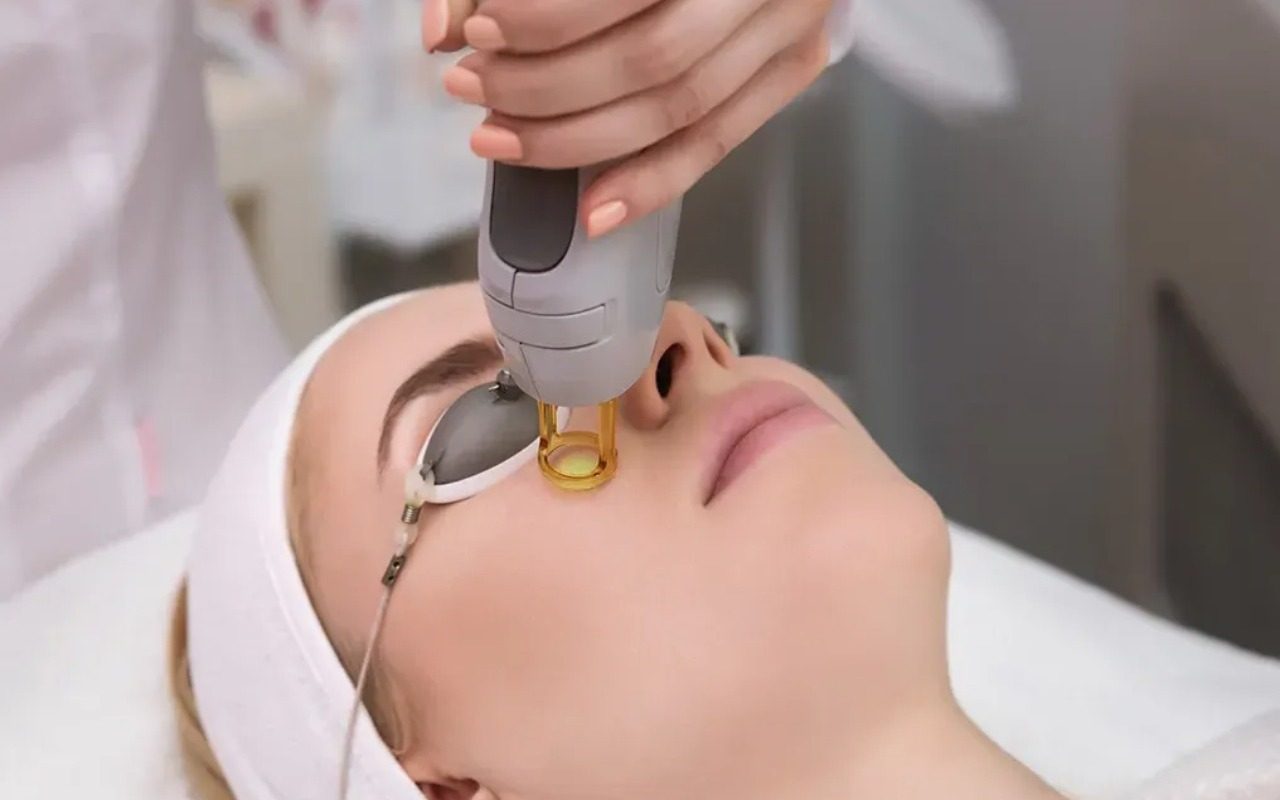
The word “laser” tends to prompt either excessive hope or excessive skepticism. Neither is useful. Laser and light-based treatments are specific tools, each with defined mechanisms and appropriate applications. They are not magic, but for the problems they address, they are often the best available option.
Fractional CO2 lasers resurface outer skin layers to address texture irregularities, scarring, and visible signs of photoaging. IPL targets pigmentation and broken capillaries with minimal downtime. Nd:YAG lasers treat deeper vascular lesions and certain types of hair removal across diverse skin tones. Each requires an approach calibrated to the individual’s skin type, depth of concern, and realistic outcome expectations.
What this means in practice is that laser consultations should be genuine consultations. The right provider spends time understanding your skin history, your goals, and what combination of treatments actually makes sense. Rushed consultations, vague assurances about outcomes, and pressure to book immediately are warning signs worth heeding. A provider who slows down the conversation, takes photographs, and explains tradeoffs is demonstrating something useful about how they work.
Building a Consistent Skin Care Routine That Works

Consistency is the unsexy variable that actually determines outcomes. Someone who uses a basic retinol and SPF routine every day for three years will outperform someone who tries aggressive treatments sporadically. The skin’s renewal cycle runs roughly four to six weeks, which means results from any new product or treatment take time to appear. That time lag leads many people to abandon effective routines before they have had a fair chance.
A functional routine does not need to be extensive. Cleanser, moisturizer, and SPF cover the non-negotiables. Retinoids, whether over-the-counter retinol or prescription tretinoin, add meaningful anti-aging benefit with consistent use and are among the most well-supported interventions in dermatology. Vitamin C serum applied in the morning, before SPF, addresses oxidative damage from UV and pollution. Beyond that, additions are incremental.
Research reviewed by NIH-affiliated researchers studying AI tools in clinical dermatology suggests that individualized skin assessment, rather than generic product recommendations, produces better adherence and better outcomes. Most experienced dermatologists already know this intuitively: specific advice tied to your specific skin tends to get followed; generic advice does not.
The Connection Between Stress, Lifestyle, and Your Skin

Skin does not exist in isolation from the rest of the body’s systems, and treating it as if it does produces incomplete results. Cortisol, released during sustained psychological stress, increases inflammation and can trigger or worsen existing conditions. Acne, psoriasis, eczema, and rosacea all have stress-responsive components, as does wound healing. Slow recovery from minor cuts can reflect elevated cortisol, poor sleep, or inadequate nutrition, sometimes all three at once.
Sleep is not a passive state for the skin. Cellular repair, collagen synthesis, and immune function peak during sleep, and chronic deprivation leaves a measurable deficit. The rough texture, dull complexion, and amplified fine lines associated with exhaustion are observable tissue-level responses to missed recovery time, not exaggeration.
Diet’s role is subtler but real. High-glycemic foods correlate with acne severity in some research. Omega-3 fatty acids support the lipid barrier that keeps skin moisturized and resistant to irritants. Alcohol depletes hydration and increases flushing. None of this requires a restrictive regime. It means recognizing that what you eat, drink, and how you sleep accumulates on your face over years, and that small, consistent adjustments add up in ways that aren’t always dramatic but are often visible.