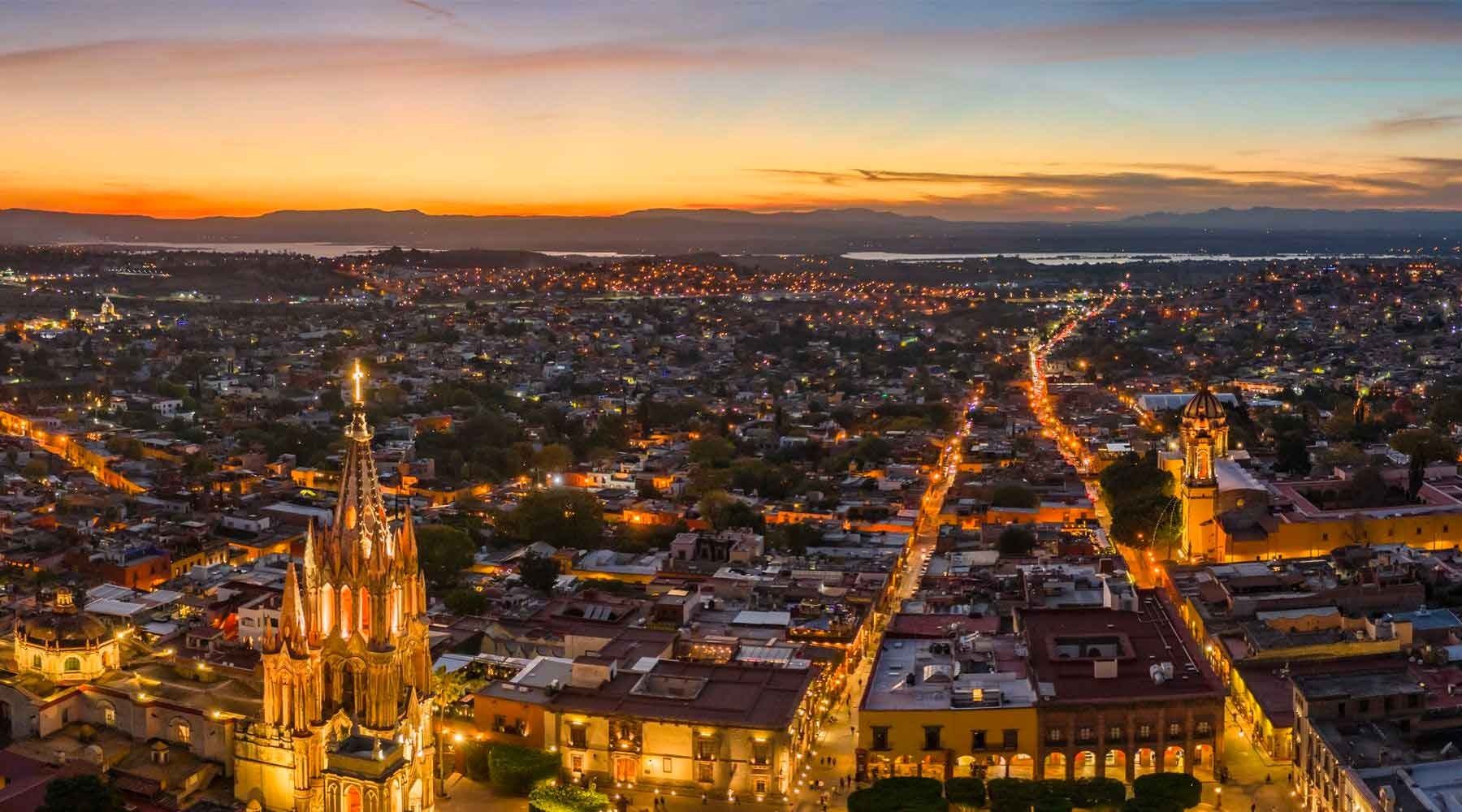

San Miguel de Allende does something peculiar to people who visit for a long weekend: they start mentally measuring the rooms. The colonial architecture, the cobblestone streets, the altitude that gives the air an unusual clarity. All of it accumulates, and before long the question shifts from “where should we eat tonight” to “could we actually live here?” For a growing number of Americans and Canadians, that answer has become yes. The real estate market has expanded to reflect that shift, with listings ranging from modest condos in the Centro to fully restored haciendas on the city’s edge.
For prospective buyers researching what’s actually available, bhhscolonialhomessanmiguel.com is one of the more thorough portals for current inventory and price ranges by neighborhood. But browsing listings is only the starting point. The process of buying property in Mexico as a non-citizen involves legal structures that don’t exist in the U.S. or Canada. Some of these protect the buyer quite effectively; others require more careful navigation than most first-time foreign purchasers expect.
How the Fideicomiso Works (and Why It Matters)

Mexico’s constitution restricts direct foreign ownership of property within 50 kilometers of the coast and 100 kilometers of national borders. San Miguel de Allende sits comfortably inland, which means foreign buyers there can hold direct title. Many still choose to purchase through a fideicomiso, a bank trust arrangement that remains the default structure for foreign property transactions across the country.
Under a fideicomiso, a Mexican bank holds title on the buyer’s behalf while the buyer retains all practical rights: the right to use the property, rent it, sell it, pass it to heirs, and make improvements. The trust is renewable every 50 years and typically runs between $500 and $1,500 annually in bank fees. For buyers also considering coastal communities accessible from Guanajuato, the fideicomiso is not optional; it is legally required.
What the structure does not provide is insulation from title disputes. Before any purchase, a formal title search by a notario público, Mexico’s legally authorized closing attorney, is mandatory. The notario reviews ownership history, verifies there are no liens or ejido complications, and formalizes the deed in the public registry. Skipping this step or relying on a seller’s verbal assurances about clean title is one of the ways foreign buyers end up in years-long legal disputes.
What San Miguel’s Neighborhoods Tell You About the Market

The Centro Histórico is what sells the city. Those dense blocks of pink stone buildings and ironwork balconies set a visual standard that buyers carry into every subsequent neighborhood comparison. Properties within two or three blocks of the Parroquia routinely command premium prices, often north of $500,000, and they move faster than comparable homes in quieter sections.
Outside the historic core, the market diversifies considerably. Colonia Guadalupe and Colonia San Antonio offer a mix of smaller traditional homes and newer builds at lower per-square-meter rates. Atascadero, a neighborhood further from the center, draws buyers who want more land and a quieter pace without feeling entirely disconnected from the city’s social life. The tradeoff is a ten-to-fifteen-minute walk or a short drive to the Centro, which some buyers find completely acceptable.
Two things consistently surprise first-time buyers: how much condition varies within the same price range, and how quickly good properties move when priced honestly. Sellers who’ve owned for 20-plus years sometimes price from emotion rather than comparable sales. Understanding that distinction matters before making offers.
The True Cost of Buying: Taxes, Fees, and Closing Surprises

A common error among first-time buyers in San Miguel is budgeting only for the purchase price. Closing costs typically run between 5% and 8% of the property value, sometimes higher depending on how the declared price is structured. Buyers who don’t build this into their initial calculations often find themselves negotiating at the end of a deal with less leverage than they’d like.
The largest single line item is the ISAI, Guanajuato’s property transfer tax, which typically runs 2% to 3% of the declared purchase price. Notario fees are set by state fee schedules rather than negotiated. Registration fees and various administrative certifications add smaller amounts that are easy to underestimate. According to the IRS’s guidance for international taxpayers, U.S. citizens are taxed on worldwide income, so a Mexican property purchase can carry American tax implications that extend well beyond the year of closing.
One structural issue worth knowing: properties in Mexico are sometimes declared below market value at closing to reduce transfer taxes. This is common practice, but any buyer who agrees to it carries that risk into a future sale when capital gains are calculated on the difference.
Hiring the Right People to Protect the Deal

Mexico’s real estate market has no enforceable national licensing requirement for agents. Anyone can call themselves a real estate professional and begin showing properties. This reality doesn’t make San Miguel transactions inherently dangerous, but it does mean buyer due diligence extends to the people facilitating the transaction, not just the property itself.
A good buyer’s agent will have verifiable references from other foreign buyers, a working relationship with a reliable notario, and no financial incentive tied to a specific property. That last point matters. According to the U.S. Embassy in Mexico, real estate fraud targeting foreign buyers is one of the most commonly reported financial crimes in the country, and the schemes are polished enough to mislead even experienced investors.
The notario is the most important professional in the transaction. Unlike American notaries, Mexican notarios are licensed attorneys who bear legal responsibility for title verification, tax calculation, deed formalization, and public registry registration. Selecting one with experience handling foreign buyer transactions is not an added precaution; it is the baseline.
Living Abroad vs. Owning Abroad: Questions Worth Asking First
There’s a meaningful difference between buying in San Miguel as a vacation home and buying it as a primary residence. The legal process is identical, but the financial logic and the personal calculus differ substantially. Buyers who treat these as the same decision sometimes end up with a beautiful property they use less than expected and carrying costs that stop making sense.
Vacation or rental buyers need to think through property management. San Miguel has a functional short-term rental market, but professional management fees run 20% to 30% of rental income and summer vacancy is real. Full-time relocators need to think through their visa situation. A tourist permit is valid for 180 days per calendar year, but using back-to-back permits repeatedly attracts immigration scrutiny, and a temporary residency application requires meeting income thresholds.
Neither of these concerns disqualifies San Miguel as a destination. The city has an established expat infrastructure, solid private medical care, and an international airport 90 minutes away in Leon. The questions simply belong at the beginning of the process, before any offers are made.